Business Waste Removal in Kings Cross
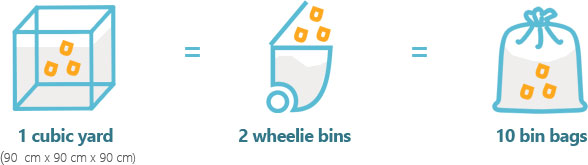
Business waste removal in Kings Cross should be practical, orderly and matched to the kind of materials a workplace produces. Our service covers routine commercial clearances, one-off office empties and the removal of bulky items that no longer suit the space. We work with businesses that need a straightforward way to clear waste without turning the process into a disruption, keeping the focus on safe handling, sensible sorting and a clear plan from start to finish.
For many premises, the right approach depends on access, timing and the types of waste present. We can deal with mixed non-hazardous loads, old office furniture, redundant fixtures and other general items that are ready to leave site. When you are comparing options, it helps to think about how much material needs collecting, whether it can be lifted from inside the premises, and whether anything requires separate treatment. Clear waste collection is easiest when the work is defined early, so you know what is included and what stays outside the scope.
Use the rest of this page to see the main service groups, the practical factors that shape a collection and the kinds of business premises this work is often suited to. If you already know what needs shifting, you can move straight to a quotation request once you have reviewed the relevant sections. If you want to compare service details first, the information below sets out the main options in a plain, commercial format.
Commercial waste collections for working premises
Commercial waste collections are usually best for businesses that need a dependable way to clear regular or occasional refuse without holding on to it longer than necessary. This can include bagged waste, packaging, old paper stock and mixed items that have built up in storage, back rooms or office corners. The value of a structured collection is that it reduces clutter while keeping the work focused on removal, loading and responsible transfer rather than making the customer manage several separate steps.
Our business waste removal service is suited to offices, shops, studios, managed buildings and other workplaces where the waste stream is varied but still straightforward. We can help with items that are awkward to carry through shared spaces, as well as loads that have to be broken down before they leave the site. If you are planning a clear-out, it is useful to group items by type and mark anything that should be kept apart, because that makes the collection more efficient and the quotation easier to prepare. For a first step, make a short list of what needs removing.
What a commercial load may include
A typical commercial load may contain packaging, office furniture, shelving, broken fittings, archive material, obsolete stock and general rubbish from day-to-day business activity. Some items can be lifted and removed directly, while others need partial dismantling or safer handling because of their size or weight. Where the load contains a mixture of light and heavy pieces, the collection plan should reflect that mix so the work stays controlled from the first lift to the final sweep of the area.
Office clearance and internal workspace removal
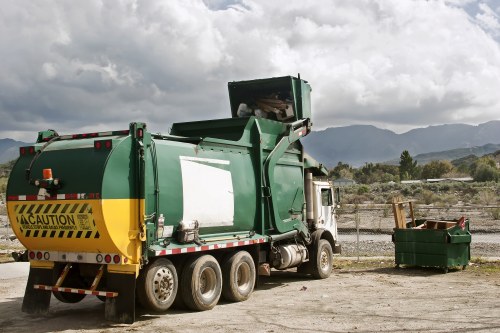
Office clearance is often needed when a workplace is reconfigured, downsized or refreshed. Desks, task chairs, filing cabinets, meeting tables and storage units can accumulate over time, particularly where teams change or equipment is replaced in stages. A clear office removal service helps free usable floor space, but it also supports the practical side of the move by dealing with heavy furniture, loose office waste and redundant fittings in a methodical way.
We also deal with internal workspace items that are no longer useful but are too bulky to leave to ordinary waste handling. That may include screen units, reception furniture, lockers, partitions that can be separated safely, and other non-hazardous contents from back-office areas. Where items are still serviceable, some customers like to set aside reusable pieces before the collection begins. Others want a full emptying of the room. Either approach can work, as long as the intended scope is agreed in advance. If the job is time-sensitive, set out the access conditions clearly so the collection can be planned sensibly.
For larger office clearances, it is often helpful to consider the order of work as well as the volume. Shared corridors, lifts, loading points and security arrangements may affect how the team handles the removal, especially in multi-occupancy buildings. The best results usually come from keeping the brief simple: what has to go, what stays, and whether any items need separating before collection.
Furniture, fixtures and bulky item disposal

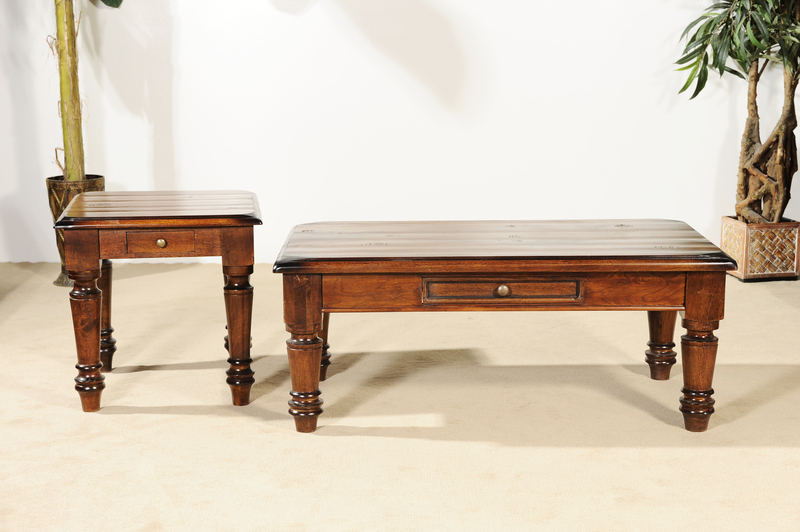
Bulky business items are a common reason for arranging a collection, particularly when furniture and fittings no longer suit the layout of the premises. Our furniture disposal service covers many of the larger pieces found in offices and commercial interiors, including chairs, tables, desks, shelving, cupboards and reception items. These objects often take up more space than expected, so removing them can make a noticeable difference to storage rooms, work areas and communal spaces.
It is useful to separate furniture disposal from other waste because bulky items are not always handled in the same way as mixed rubbish. Some pieces can be taken as complete items, while others are better broken down to make lifting easier and to manage the route out of the building. Where furniture includes mixed materials such as metal frames, wood surfaces and fabric coverings, the collection plan may need to reflect that variety. A well-briefed removal keeps the process orderly and helps avoid confusion on the day.
In some cases, customers need help with a single large item; in others, the work involves a roomful of equipment that has reached the end of its useful life. Both can be handled as part of a commercial waste removal job, provided the materials are suitable for this type of service. If you are unsure whether an item belongs in a clearance load or needs separate handling, the safest approach is to describe it clearly and ask for guidance before the visit. One accurate description is better than several guesses.
Storage rooms, archives and surplus contents
Many workplaces keep surplus items in cupboards, plant rooms, storerooms or archive spaces until the pressure to clear them becomes unavoidable. That is where a flexible business waste removal service can help, because these areas often contain a mix of cartons, broken units, dated paperwork, redundant display materials and old equipment that no longer needs to remain on site. Clearing them is usually most effective when the work is broken down into manageable sections rather than approached as a single untidy pile.
Where a business has accumulated material over time, it may be helpful to decide what should be removed, what should stay for operational reasons, and what should be isolated from the rest. The collection can then focus on the intended waste rather than touching items that have a continuing use. If your premises include shared storage or locked rooms, it is worth confirming how access will work before the appointment so that the removal stays smooth and controlled. This type of preparation is not complicated, but it does make the process more efficient.
In practical terms, the best clearance jobs are usually the ones where the customer has a clear list and the collection team can work from it without interruption. That does not require every item to be counted individually. A sensible overview is enough: which spaces need emptying, what types of material are present and whether anything needs to be left behind. With that information, the removal can be shaped around the actual site rather than around assumptions.
Materials, sorting and disposal decisions

Different materials call for different disposal decisions, even within a single business clear-out. Cardboard, paper, wood, plastics, office furniture and general mixed waste may all be part of the same job, but they are not always best treated as one undifferentiated pile. The more clearly the load is understood, the easier it is to separate what can be moved together from what should be kept aside. This is especially useful where there are heavy items, breakable pieces or contents that need a more careful handling sequence.
Our approach is built around practical sorting rather than unnecessary complication. If a workplace has already separated waste by type, that can help keep the collection straightforward. If not, the service can still be arranged around the materials as they are presented, provided they are suitable for the job. Businesses often find it helpful to set out any items that are definitely staying, label sensitive objects and group the rest into areas for removal. That keeps the workspace manageable and avoids misunderstandings when the team arrives.
Supporting a tidy and controlled clearance
A controlled clearance is not simply about taking things away. It also depends on what remains behind and whether the space is left in a state that suits the next stage of use. Some customers are preparing for a refit, others for an inspection, and some just want to reclaim storage they can use properly again. In every case, the removal should be completed with enough care to avoid unnecessary disturbance to the surrounding area. If you are preparing the site, a short note describing access, lift use and item groups can save time later on.
Planning a collection and understanding the price factors
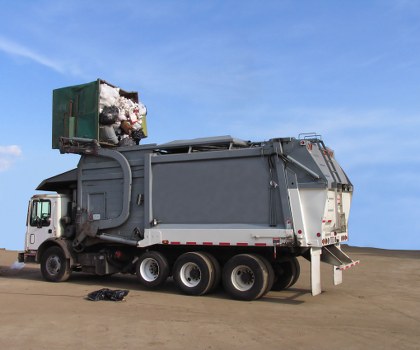
Pricing for business waste removal is usually shaped by the volume of material, the type of waste, the weight of bulky items and the ease of access at the site. A job involving a small office load will not be assessed in the same way as a larger clearance with furniture, mixed contents and awkward carrying routes. It is also important whether the collection is from a ground-floor room, an upper level or a building with more limited access. These practical details help define the scale of the work.
Before asking for a quotation, it helps to gather the basics in one place: the main item types, approximate quantities, the floor or area they are in, and any access limits such as restricted parking, lifts or timed entry. You do not need to over-explain, but the more accurately you describe the job, the easier it is to quote for it responsibly. If photographs are available, they can support the description, although a clear written summary is still the most important part. When the details are ready, ask for a quotation in plain terms.
For businesses comparing options, a good quotation should reflect the actual scope rather than a vague estimate based on too little information. That is why specific descriptions matter. A concise brief reduces the risk of confusion and makes it easier to understand what the collection does and does not include. If there are items that must be separated, mention them early; if there are only general contents to remove, say so plainly. The aim is to make the process efficient and dependable without adding unnecessary complexity.
Working around access, timing and site arrangements
Commercial removals often depend on how the premises operate during the day. Shared entrances, managed buildings, loading bays, reception controls and other site arrangements can all influence the collection plan. Where access is straightforward, the work may be simple to organise; where movement is restricted, the removal needs more careful coordination. That is not unusual, and it is one reason why clear advance information is so valuable when arranging a business waste collection in Kings Cross.
Useful information generally includes whether the team can park close to the site, whether items need carrying through a reception area, and whether the waste is ready in one room or spread across several parts of the premises. If the job involves more than one collection point, it can help to note that in advance. The same applies if you need the work to fit around opening hours or shared occupancy rules. Simple access notes are often enough to prevent delays and avoid unnecessary back-and-forth on the day.
For many commercial customers, the main aim is to keep the work practical. That means setting a realistic schedule, confirming what is being removed and making sure there is a clear route out of the building. If the site has special instructions, they should be mentioned up front. If the load is straightforward, you do not need pages of detail; if it is more involved, a fuller description helps everyone plan accurately. Either way, a well-prepared collection starts with useful information rather than assumptions.
About Kings Cross
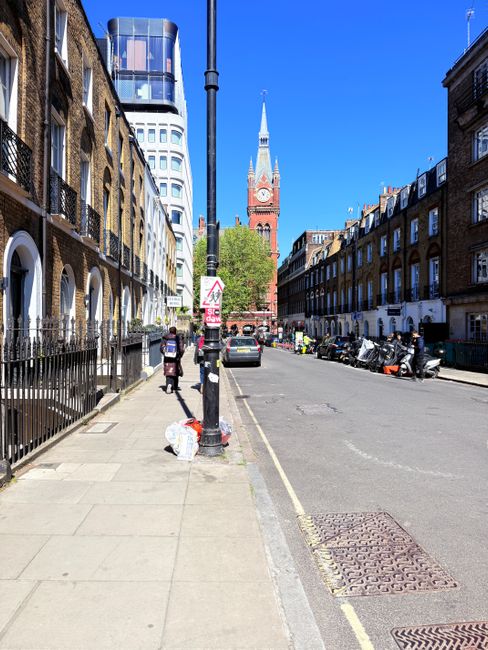
Kings Cross is an area in central London that has changed substantially over time while retaining strong links to transport, trade and urban redevelopment. It is named after the short-lived monument to King George IV that once stood near the junction now associated with the district. The modern area is closely tied to Kings Cross railway station and St Pancras, whose platforms, public spaces and surrounding streets have become part of a wider civic and commercial landscape. The district sits near several well-known parts of London, including Bloomsbury, Clerkenwell and Islington, and its position has long made it a place of movement rather than a self-contained enclave. Rail lines, canals and major roads have all influenced how the area developed, from industrial uses in the nineteenth century to the large-scale regeneration that reshaped many of the former railway lands in recent decades.
Final steps before you request a quotation
If you are comparing providers, look for a service that describes the work clearly and matches the type of waste your business actually has. A careful description of the items, the access and the desired outcome is usually enough to move things forward. There is no need to overcomplicate the first enquiry. Keep the brief focused, mention any bulky objects or site restrictions, and make sure the collection point is clear. That keeps the process practical from the outset.
Once the main details are ready, you can make a straightforward enquiry for business waste removal in Kings Cross and ask for a quotation based on the actual load. If you would like to review supporting information first, see the service details, then decide what needs to be included. For a direct next step, visit pricing and quotes or make your enquiry through the contact page when you are ready.
Our aim is to provide a clear, dependable commercial removal service that handles everyday business waste and bulky items without unnecessary fuss. Whether the job involves office furniture, stored contents or a general workplace clear-out, the process is easier when the scope is specific. Send the details when you are ready, and ask for a quotation that reflects the work you need done.