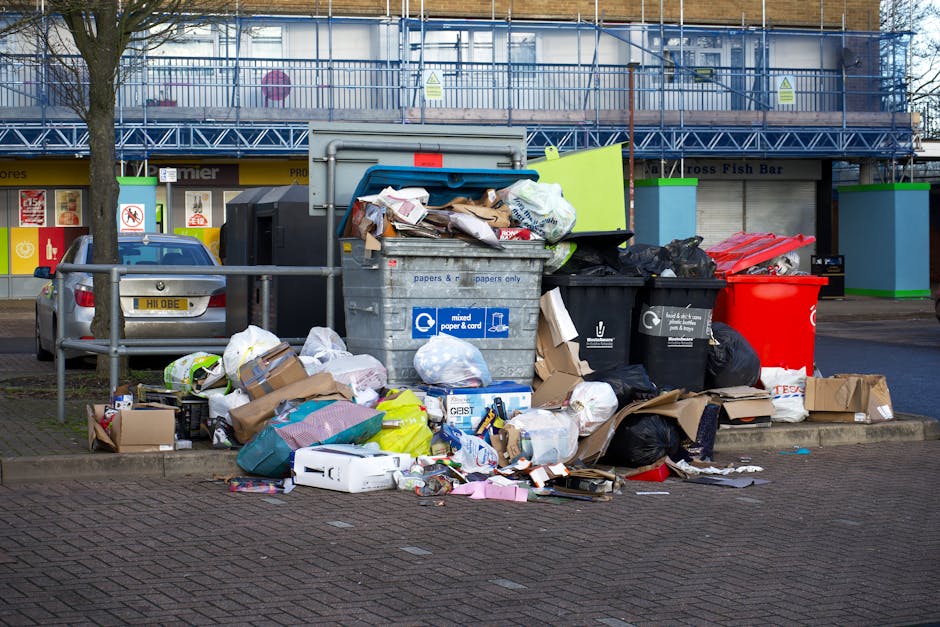
Kings Cross rubbish removal guide for York Way residents

If you live on York Way, rubbish removal has a way of becoming urgent at the least convenient moment. Maybe the flat is full after a move, maybe a sofa has finally given up, or maybe renovation debris is starting to look like a small indoor hill. This Kings Cross rubbish removal guide for York Way residents is here to make the whole thing feel manageable. You'll find a clear explanation of how it works, what to watch for, how to choose the right option, and how to avoid the common mistakes that cost time, money, and patience. Truth be told, the best rubbish removal is usually the one you hardly have to think about.
Living near King's Cross and York Way also brings its own practical quirks: narrow access, busy streets, shared entrances, and the constant juggling act of getting heavy items out without annoying neighbours or blocking the hallway. So this guide focuses on real-world decisions, not vague theory. If you want to plan a simple household clearance, compare collection methods, or understand what responsible disposal actually looks like, you're in the right place.
Why Kings Cross rubbish removal guide for York Way residents Matters
Rubbish removal sounds simple until you're standing in front of three broken wardrobes, a dismantled bed frame, and a recycling bin that's already overflowing. On York Way, that can get awkward quickly. Blocks of flats, limited on-street space, and shared building rules mean waste can't always be left "just for a minute".
That is why a practical rubbish removal plan matters. It helps you avoid clutter building up in hallways, reduces the risk of missed collections, and keeps you from using the wrong disposal route for bulky or specialist waste. It also makes a real difference if you're trying to move out, refurbish a property, or get a room back to usable condition without turning the place upside down.
There's a bigger reason too: responsible disposal. Good rubbish removal is not just about getting things out of sight. It is about sorting reusable items, separating recyclable material where possible, and handling waste safely. If you're clearing a flat, house, office, or storage space, services like general waste removal and house clearance are often a better fit than making half a dozen separate trips yourself.
To be fair, York Way residents are often dealing with tight schedules as much as tight spaces. That's where a reliable collection process really earns its keep.
How Kings Cross rubbish removal guide for York Way residents Works
At its simplest, rubbish removal follows a pretty straightforward pattern: identify what needs to go, decide how it should be handled, arrange collection, and make sure the waste ends up in the right place. The details matter, though, because not every item is treated the same way.
Typical rubbish removal for York Way residents may include mixed household waste, old furniture, broken appliances, clearance from a loft or garage, and leftover material from decorating or light building work. A good provider will usually ask what you have, how much there is, and whether any items need special handling. That's not fussiness. It's how they plan labour, vehicle space, and disposal routes properly.
For example, a single mattress and a few bags of clutter may need a very different approach from a full flat clearance or a post-renovation load of plasterboard, timber offcuts, and packaging. If you are clearing bigger items, pages such as mattress and sofa disposal, furniture clearance, and builders waste clearance can help you match the job to the right service.
Most people want two things: a clean finish and no drama. Fair enough. A proper waste collection arrangement should aim for both.
What usually happens on the day
While every job is different, a standard collection often looks like this:
- You confirm what needs removing and any access details.
- The team arrives with the right vehicle and equipment.
- Items are assessed, loaded, and separated if needed.
- The waste is taken away for reuse, recycling, or disposal.
- You're left with the space cleared and ready for the next step.
If you have a flat on an upper floor, shared entrance, or a tricky stairwell, mention that early. It can save a lot of back-and-forth later. And yes, the lift being "out for five minutes" can become ten. Then twenty. Happens more than it should.
Key Benefits and Practical Advantages
The main benefit is obvious: you get rid of unwanted waste without having to do all the lifting, driving, and sorting yourself. But there's more to it than convenience.
- Time saved: one organised collection is usually easier than several self-managed trips.
- Less physical strain: bulky items like wardrobes, appliances, and garden waste are awkward, heavy, and not fun to shift alone.
- Better space management: clearing clutter quickly makes it easier to clean, decorate, move, or rent out a property.
- Improved compliance: you reduce the risk of dumping items incorrectly or mixing materials that need separate handling.
- More responsible outcomes: recyclable and reusable items can be separated rather than simply thrown away.
Another advantage that people overlook: peace of mind. When you know the rubbish has been handled properly, you are less likely to worry about fly-tipping, blocked entrances, or lingering mess after the collection. That's not a tiny thing. It changes how the whole place feels.
If the rubbish includes office papers, sensitive records, or business overflow, it may be worth exploring confidential shredding or even business waste removal if the load is commercial rather than household.
Who This Is For and When It Makes Sense
This guide is for York Way residents dealing with any of the following situations:
- moving out of a flat or into a new one
- clearing a room after a tenant leaves
- getting rid of broken furniture or old appliances
- tidying a loft, garage, or storage area
- handling post-renovation waste
- removing garden waste after a seasonal clear-up
- dealing with mixed household clutter that does not fit normal bin collections
It also makes sense if you're a landlord, property manager, or small business owner nearby and want a cleaner, quicker solution than organising a series of separate disposal runs.
For smaller jobs, a basic collection may be enough. For bigger clear-outs, a fuller service such as flat clearance, home clearance, or loft clearance may be the more sensible route. If you've got a garage that has quietly become a storage cave, garage clearance can be a cleaner fit.
When does it make sense to book? Usually when the waste is too large, too heavy, too mixed, or too urgent for normal household disposal. If you're asking yourself, "Can I really do this with two bin bags and optimism?" then the answer is probably no.
Step-by-Step Guidance
If you want the process to go smoothly, think in stages. That approach works better than trying to tackle everything at once on a busy morning with the kettle still boiling.
1. Identify what needs to go
Walk through the property and list the items. Separate general waste, bulky furniture, electrical items, recyclable material, and anything that might be hazardous. A rough list is fine. You do not need to weigh every item with laboratory precision.
2. Decide what can be reused, donated, or recycled
Not everything needs to be treated as rubbish. Some items may still be usable, and some can be broken down into recyclable components. The better you sort upfront, the less waste goes to landfill unnecessarily.
3. Check access and timing
Note stair access, lift access, parking restrictions, and whether the collection needs to happen at a certain time of day. On York Way, this can make a major difference. A clear entrance and a sensible slot can save everyone a headache.
4. Match the job to the right service
Bulky domestic waste? A standard rubbish removal or furniture collection may be enough. Renovation debris? Look at builders waste clearance. White goods? Use fridge and appliance removal for safer handling. If you are clearing soft furnishings, mattress and sofa disposal can be the neatest option.
5. Get a clear quote
A good quote should be based on the type and amount of waste, access conditions, and any specialist handling needs. If something looks unusually heavy, awkward, or potentially hazardous, mention it rather than leaving it as a surprise on the day.
6. Prepare the waste for collection
Move items into one place if you can, keep pathways clear, and separate anything that needs special treatment. If the team is collecting from inside a flat, try to make routes obvious and safe. A little prep goes a long way.
7. Confirm disposal and paperwork where relevant
For certain waste streams, responsible handling and clear records matter. If you're hiring a professional service, ask how items are processed and what happens to recyclable or special waste. That's just sensible due diligence.
Expert Tips for Better Results
After a lot of clear-outs, a few habits stand out. They're simple, but they make the day smoother.
- Photograph the waste before booking: even quick phone pictures help avoid misunderstandings.
- Be honest about access: stairs, parking, long carries, and narrow hallways all affect the job.
- Combine jobs where it makes sense: if you are clearing a flat and a loft in the same visit, say so early.
- Keep fragile or sharp items separate: broken glass, nails, and splintered wood should be flagged clearly.
- Ask about recycling first: small choices here can improve the environmental outcome.
One of the best tips is also the least glamorous: prepare the route from the property to the vehicle. A clear hallway sounds boring until someone trips over a plant pot. Then it's suddenly the most interesting thing in the world.
If you are dealing with a broader property clean-up, services like house clearance and furniture disposal can reduce the number of moving parts. Less juggling, more progress.
Expert summary: The best rubbish removal jobs are usually planned in advance, sized realistically, and matched to the correct waste stream. That's how you keep the cost sensible and the day calm.
Common Mistakes to Avoid
Some mistakes are tiny. Some become expensive. Most are avoidable if you pause for a minute before booking.
- Underestimating volume: what looks like "a few items" can fill a vehicle surprisingly fast.
- Forgetting access constraints: parking limitations and stairs can change the job quite a bit.
- Mixing special waste with general rubbish: appliances, sharp items, and hazardous material need proper handling.
- Waiting until the last minute: this often forces rushed decisions and limited collection options.
- Not checking what is included: labour, loading, disposal, and recycling may be handled differently depending on the provider.
Another common problem is assuming every item can simply be thrown into one load. Not quite. Some materials need separate treatment. If you are unsure whether the contents include hazardous items, it is better to ask than guess. A little caution now can save a lot of hassle later.
And yes, the old "I'll sort it tomorrow" approach tends to age badly.
Tools, Resources and Recommendations
You do not need a truckload of equipment to prepare for rubbish removal, but a few basic tools can help:
- strong gloves for handling rough or dusty items
- bin bags or rubble sacks for loose waste
- tape or straps for securing loose parts
- a torch for lofts, cupboards, or under-bed spaces
- a broom and dustpan for the final sweep after items are removed
From a service perspective, useful supporting pages include pricing and quotes if you want to understand how jobs are usually assessed, and recycling and sustainability if you want to think more carefully about what happens after collection.
If you need to dispose of heavy or awkward white goods, fridge and appliance removal is often the safest route. For bulky textiles and soft furnishings, mattress and sofa disposal can save a lot of time. For office-type waste, office clearance may be the right fit.
Sometimes the smart move is not to "do more", but to choose better. That sounds obvious, but people miss it all the time.
Law, Compliance, Standards, or Best Practice
In the UK, waste should be handled responsibly and taken to appropriate facilities. For residents, the practical message is simple: do not leave waste where it causes obstruction, fly-tipping risk, or safety issues, and do not hand waste to anyone who cannot clearly explain how it will be managed.
If your rubbish includes potentially hazardous material, electrical items, or waste from a business or rental property, a more careful approach is needed. That may include extra handling, separation, or specialist disposal. The exact obligations can vary depending on the waste type and the situation, so caution is wise. If you are uncertain, treat anything sharp, chemical, oily, or contaminated as a separate issue until confirmed otherwise.
Good practice also includes:
- keeping access routes safe and unobstructed
- sorting reusable and recyclable items where possible
- asking for transparent disposal practices
- using a provider with clear policies on health, safety, and insurance
- avoiding informal disposal arrangements that leave you with no accountability
Pages such as health and safety policy, insurance and safety, and terms and conditions are useful because they show the kind of standards a professional service should be willing to explain clearly. If you value peace of mind, that matters.
Options, Methods, or Comparison Table
Different waste situations call for different methods. The best choice depends on volume, item type, urgency, and how much lifting you want to do yourself.
| Option | Best for | Advantages | Drawbacks |
|---|---|---|---|
| Self-disposal | Very small loads | Potentially cheaper if you already have transport | Time-consuming, physical effort, parking and access hassle |
| Skip use | Ongoing renovation or steady waste production | Good for repeated use, straightforward site storage | Space needed, loading effort, permit considerations may apply |
| Professional rubbish removal | Mixed waste, bulky items, awkward access | Fast, convenient, less lifting, often better for tight spaces | Usually more expensive than doing it yourself |
| Specialist clearance | Furniture, appliances, builders waste, business waste | Tailored handling, better sorting, safer disposal | May not suit very small one-off loads |
If you are wondering whether a skip is better than a collected load, the answer depends on access and volume. A good place to start is what can go in a skip, especially if you are comparing disposal routes rather than committing to one option straight away.
Case Study or Real-World Example
Picture a York Way resident clearing a two-bedroom flat after a long tenancy. There's a worn-out sofa, a mattress, a few broken shelves, a pile of packaging, and some leftover DIY material from a quick refresh before handover. The hallway is narrow, the lift is unreliable, and the weekend is already packed.
Instead of trying to move everything in stages, the resident groups the waste by type, takes a few photos, and asks for a collection that covers furniture, general rubbish, and a small amount of light builders waste. On the day, the key is having everything ready by the door, with the route cleared and fragile items separated. The result? Less time spent wrestling with items, less stress for neighbours, and a much cleaner flat by lunchtime.
That kind of job is pretty common around King's Cross. Not glamorous, but very real. And honestly, real-world jobs like that are where good rubbish removal shows its value. You feel the difference immediately.
Practical Checklist
Use this before booking or collection day:
- List every item that needs removing.
- Separate general waste from furniture, appliances, and special items.
- Take quick photos so the load can be judged accurately.
- Check access: stairs, lift, parking, and distance from the property to the vehicle.
- Move waste to one place if possible.
- Remove personal items from drawers, cupboards, and bags.
- Flag anything sharp, heavy, oily, chemical, or potentially hazardous.
- Ask how recyclable or reusable items are handled.
- Confirm timing and any building rules that apply.
- Keep hallways and exits clear on the day.
Small reminder: a few minutes of preparation usually saves a lot more time later. That's just how it goes.
Conclusion
For York Way residents, rubbish removal is rarely just about waste. It's about space, timing, access, neighbours, and getting life back to normal without unnecessary hassle. The best approach is the one that fits the scale of the job, handles the right waste stream, and leaves you confident that everything has been dealt with properly.
Whether you are clearing a single bulky item, sorting out a flat, or planning a bigger property clearance, a calm and organised approach will always beat a rushed one. Choose the right service, prepare a little in advance, and ask clear questions where needed. Simple enough, really.
If you are ready to take the next step, compare the relevant service pages, check the practical details, and book only when the collection plan makes sense for your space and your schedule. You do not need to make it complicated. In fact, the less complicated it feels, the better.
Get a free quote today and see how much you can save.
When the clutter is gone and the space is quiet again, even a small flat can feel bigger. That's a good feeling, and worth aiming for.
Frequently Asked Questions
What is the easiest rubbish removal option for York Way residents?
For most people, a professional collection is the easiest route because it reduces lifting, transport, and disposal headaches. It is especially useful for bulky items, mixed waste, and flats with awkward access.
Can I put furniture and general rubbish in the same collection?
Often, yes. Mixed loads are common, but it helps to separate anything special such as appliances, sharp materials, or hazardous items. That makes the collection smoother and more accurate.
How do I know whether I need flat clearance or general waste removal?
If you're clearing a few bags or isolated items, general waste removal may be enough. If you're emptying rooms, handling multiple bulky items, or clearing an entire property, flat clearance or house clearance is usually more appropriate.
What should I do with an old fridge or freezer?
Fridges and similar appliances should be handled carefully because they are not the same as ordinary household waste. A dedicated appliance removal service is usually the safest and neatest option.
Is builder's waste treated differently from household rubbish?
Yes. Materials from DIY or renovation work can include rubble, timber, plasterboard, packaging, and other items that need separate handling. Builders waste clearance is usually the better fit for that kind of load.
How much preparation do I need to do before collection?
Not much, but a bit helps. Put the waste in one place if you can, keep the route clear, and separate anything fragile, sharp, or unusual. A few photos before booking are also useful.
What if I live in a building with tricky access?
Say so early. Narrow stairs, no lift, controlled entry, or difficult parking can all affect the collection plan. Good access information helps avoid delays and surprise costs.
Can I dispose of a mattress and sofa together?
Yes, that is common. Soft furnishings are often collected together, especially during moves or clear-outs. A dedicated mattress and sofa disposal service can make that easier.
Is rubbish removal better than hiring a skip?
It depends on the job. Skips work well for ongoing projects and repeated waste, while rubbish removal is often better for tight access, heavy items, and one-off clearances. If you are unsure, compare the waste type and the amount of space you have.
What happens to the waste after collection?
In a responsible service, waste is typically sorted for reuse, recycling, or disposal depending on the material. That is one reason it helps to ask about recycling and sustainability before booking.
Can businesses on or near York Way use the same service?
Sometimes, yes, but business waste may need a different approach from household rubbish. If the load comes from an office, shop, or work premises, business waste removal or office clearance may be more suitable.
How do I choose a trustworthy rubbish removal provider?
Look for clear pricing, straightforward communication, safety information, and a sensible explanation of how waste is handled. It should feel organised and transparent, not vague or rushed. That instinct usually serves people well.